
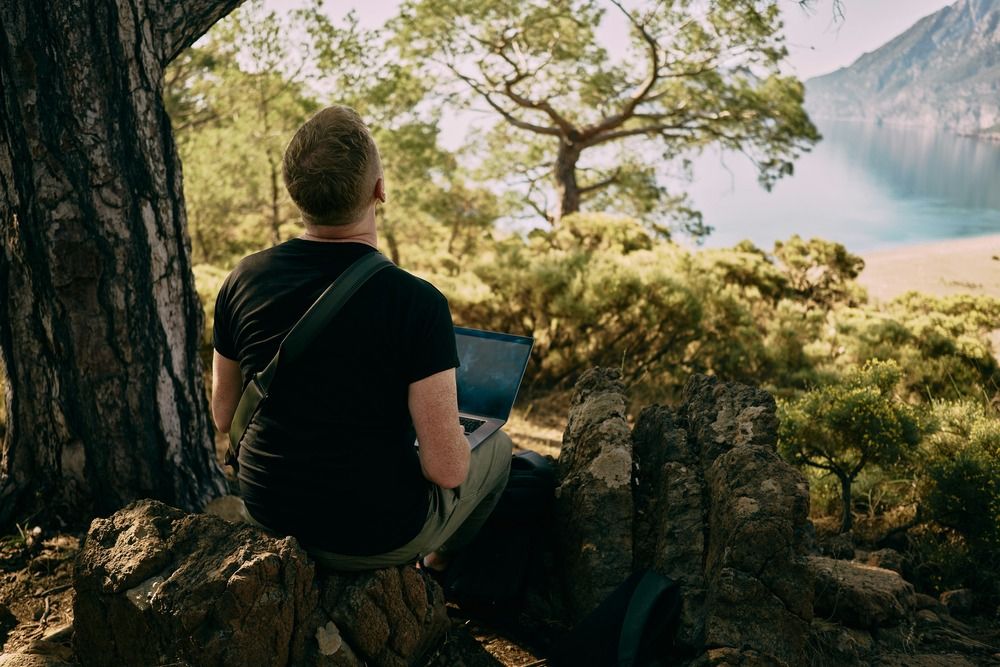
The nomad lifestyle sounds like freedom in its purest form: working from anywhere, changing countries when you feel like it, and turning the world into your office. But successful remote travel is not built on spontaneity alone. It depends on planning, discipline, and systems that let you stay productive while moving through unfamiliar places.
In recent years, digital nomadism has evolved from a trend into a more intentional way of living, with more countries offering nomad-friendly visas and remote workers choosing destinations based on practical factors like internet reliability, living costs, safety, and community rather than just weather or popularity. The reality is that working remotely while traveling can be deeply rewarding, but it works best when you treat it as a lifestyle strategy rather than a permanent vacation.
Understand What the Lifestyle Really Is
A lot of people imagine the nomad lifestyle as answering emails from a beach chair, but that picture leaves out the real foundation: remote work still requires structure. Guides for digital nomads consistently emphasize that success comes from creating routines, identifying productive hours, planning weeks carefully, and balancing work time with exploration rather than constantly blending the two.
This matters because travel adds friction to everyday work. New time zones, weak internet, unfamiliar housing, changing routines, and travel fatigue can all affect performance if you do not prepare for them. The most effective nomads understand that freedom does not mean disorder; it means building a flexible life on top of strong habits.
The lifestyle is also becoming more long-term and practical. Rather than jumping constantly between cities, many remote workers now choose destinations suitable for month-long stays or longer, prioritizing dependable Wi-Fi, reasonable living costs, and a local or international community that helps reduce isolation. That shift makes the lifestyle more sustainable, both financially and mentally.
Choose Work That Travels Well
Not every job fits a nomadic lifestyle equally well. The best remote-friendly work is output-based, meaning you are judged more by results than by being physically present at a fixed time and place. Freelancing, consulting, design, programming, writing, marketing, e-commerce management, coaching, and online business operations tend to work well because they can be managed with a laptop, communication tools, and stable connectivity.
Before trying to become location-independent, it helps to define your working model clearly. Ask whether your income depends on live meetings, deep focused work, client responsiveness, or managing teams across time zones, because each of these affects where and how you can travel. A person who needs four uninterrupted morning hours every day will make different destination choices than someone whose work is mostly asynchronous.
It is also important to set expectations with clients, coworkers, or employers. Knowing when you will be online, how quickly you respond, and what time zone you are working in prevents confusion and helps preserve trust when your location changes frequently.
Build a Reliable Work Setup
A nomad lifestyle depends on portability, but portability should not come at the expense of reliability. Practical guides recommend carrying a trustworthy lightweight laptop, essential chargers and adapters, backup storage, collaboration tools, and cloud services so that work remains accessible wherever you go.
Internet is the single most important non-negotiable. Nomad advice consistently recommends researching internet quality before choosing a destination, and many travelers keep backup options such as local SIM cards, eSIM data plans, portable hotspots, or personal Wi-Fi devices for emergencies. When your income depends on connectivity, “probably good enough” is not a serious plan.
Organization matters too. Keeping cables, adapters, and small devices in one dedicated pouch, backing up work regularly to a portable SSD or cloud storage, and separating work files from personal files can reduce daily friction and protect you if something is lost or stolen. These are small systems, but they have outsized value when you are working on the move.
Ergonomics are another overlooked issue. Some digital nomad guides recommend using proper desks and chairs when possible, or adding portable accessories like a laptop stand, keyboard, or mouse, because poor posture and makeshift workstations can quickly lead to fatigue and pain over time. Working remotely while traveling is easier when your setup supports your body as well as your productivity.
Pick Destinations Strategically
One of the biggest mistakes new nomads make is choosing destinations only for aesthetics. A place may look incredible on social media, but if it has poor internet, limited workspaces, difficult logistics, or a time zone that clashes badly with your clients, it may be a frustrating base.
Practical destination selection usually includes a few key factors:
- Reliable internet and backup connectivity options.
- Affordable accommodation for longer stays.
- Safe neighborhoods and reasonable everyday logistics.
- Access to coworking spaces, cafés, or quiet apartments with usable work areas.
- A local or expat community that helps reduce isolation and supports networking.
Many guides note that coworking and coliving spaces have become central to the lifestyle because they combine work infrastructure with social opportunities. These spaces can be especially useful at the beginning, when you are still learning how to stay productive away from a traditional office.
Create a Real Routine
Routine is what turns remote travel from chaotic movement into a livable system. Several digital nomad guides recommend creating daily or weekly schedules, identifying your most productive three to four hours, batching similar tasks together, and adjusting workload expectations when you are in transit versus when you are settled.
Time blocking is especially useful. If you assign focused blocks for deep work, admin, meetings, errands, and exploration, you are less likely to end up in the common nomad trap of half-working and half-traveling all day without doing either well. Flexible scheduling works best when it still has anchors.
This also means accepting that not every day should be a sightseeing day. Some nomad advice specifically recommends scheduling screen-free time, regular exercise, and downtime while avoiding the habit of working late into the night just to compensate for travel or time-zone pressure. The lifestyle is most rewarding when work, health, and exploration all have space instead of competing constantly.
Manage Time Zones and Energy
Time zones can either make remote work easier or quietly ruin it. Coordinating across countries often requires calendar discipline, careful planning of meetings, and awareness of how your working hours affect sleep, meals, and social life. Tools for managing global schedules are commonly recommended because they reduce confusion and help nomads avoid constant mental calculations.
Energy management matters as much as schedule management. Jet lag, frequent moving, and the excitement of new places can make people overestimate how much they can do in a day. A realistic work-travel balance usually means distinguishing between travel weeks and stable weeks, and not expecting the same output from both.
That is why slow travel often works better than constant movement. When you stay in each place longer, your body adjusts, your routine stabilizes, and you can give proper attention to both your job and your surroundings. Constant relocation may look adventurous, but it often weakens both productivity and quality of life.
Protect Your Security and Admin Basics
Working across borders creates more security and administrative risks than many people expect. Digital nomad guidance recommends regular data backups, app and account permission reviews, remote wipe and device tracking, and clear separation between work, personal, and financial accounts through different emails, browser profiles, or login environments.
Cybersecurity becomes even more important when using unfamiliar networks. Some remote work guides recommend VPN use, avoiding public USB charging ports because of “juice jacking” risks, and sticking to normal electrical outlets or personal charging solutions when possible. A lost or compromised device is not just inconvenient when you are abroad; it can disrupt your income completely.
Administrative preparation matters too. Informing banks and credit card companies of travel plans, arranging mail forwarding if necessary, and understanding healthcare access in your destination are all recommended practical steps for people who live on the move. International health insurance is often highlighted as especially important for nomads who move across multiple countries.
Stay Connected to People
One of the hardest parts of the nomad lifestyle is not logistics but loneliness. Several guides point out that constant movement can make it difficult to maintain friendships or develop a stable social life, especially when work and travel already consume so much mental energy.
That is why community is not optional. Coworking spaces, nomad meetups, expat groups, networking events, hobby clubs, language classes, and cultural activities all help travelers create more meaningful social connections on the road. Some platforms and communities are built specifically to connect remote workers for events, retreats, and project collaboration.
Connecting with locals matters too. Learning local customs, picking up key phrases, joining classes or sports, and spending time in neighborhood cafés or markets can make a place feel less like a backdrop and more like a lived environment. The nomad lifestyle becomes far more rewarding when you build relationships instead of moving through destinations as a temporary observer.
Travel Light and Stay Adaptable
A lighter setup makes the entire lifestyle easier. Some nomad guides explicitly recommend simplifying your possessions, packing light, and using tools like packing cubes to keep everything organized and mobile. The fewer things you carry, the easier it becomes to change cities, take short-term rentals, and work comfortably without feeling burdened by logistics.
Adaptability matters just as much. Internet may fail, accommodations may disappoint, time zones may create friction, and some destinations may simply not suit your rhythm. Strong nomads are not the ones who avoid every problem; they are the ones who solve problems quickly without letting every setback derail their work or mood.
A backup mindset helps:
- Have backup internet.
- Keep work backed up in more than one place.
- Maintain emergency funds and insurance.
- Know alternative places to work nearby, such as coworking spaces or quiet cafés.
Make It Sustainable
The most successful nomad lifestyle is not the most glamorous one. It is the one you can maintain without burnout, financial instability, or constant stress. Guides on digital nomad life repeatedly point to burnout, loneliness, connectivity problems, healthcare access, and cultural adjustment as common challenges, which means sustainability depends on planning, self-care, and realistic expectations.
That often means staying longer in each place, protecting your sleep, setting work boundaries, and choosing destinations that support your actual work needs rather than an idealized travel identity. It also means remembering that the goal is not to prove you can work from anywhere, but to create a life where work and movement support each other.
In the end, the nomad lifestyle works best for people who combine curiosity with discipline. A laptop and passport may be the visible symbols of the lifestyle, but the real foundations are structure, resilience, and clear priorities. When those are in place, working remotely while traveling becomes more than a fantasy; it becomes a practical, flexible, and deeply rewarding way to live.