
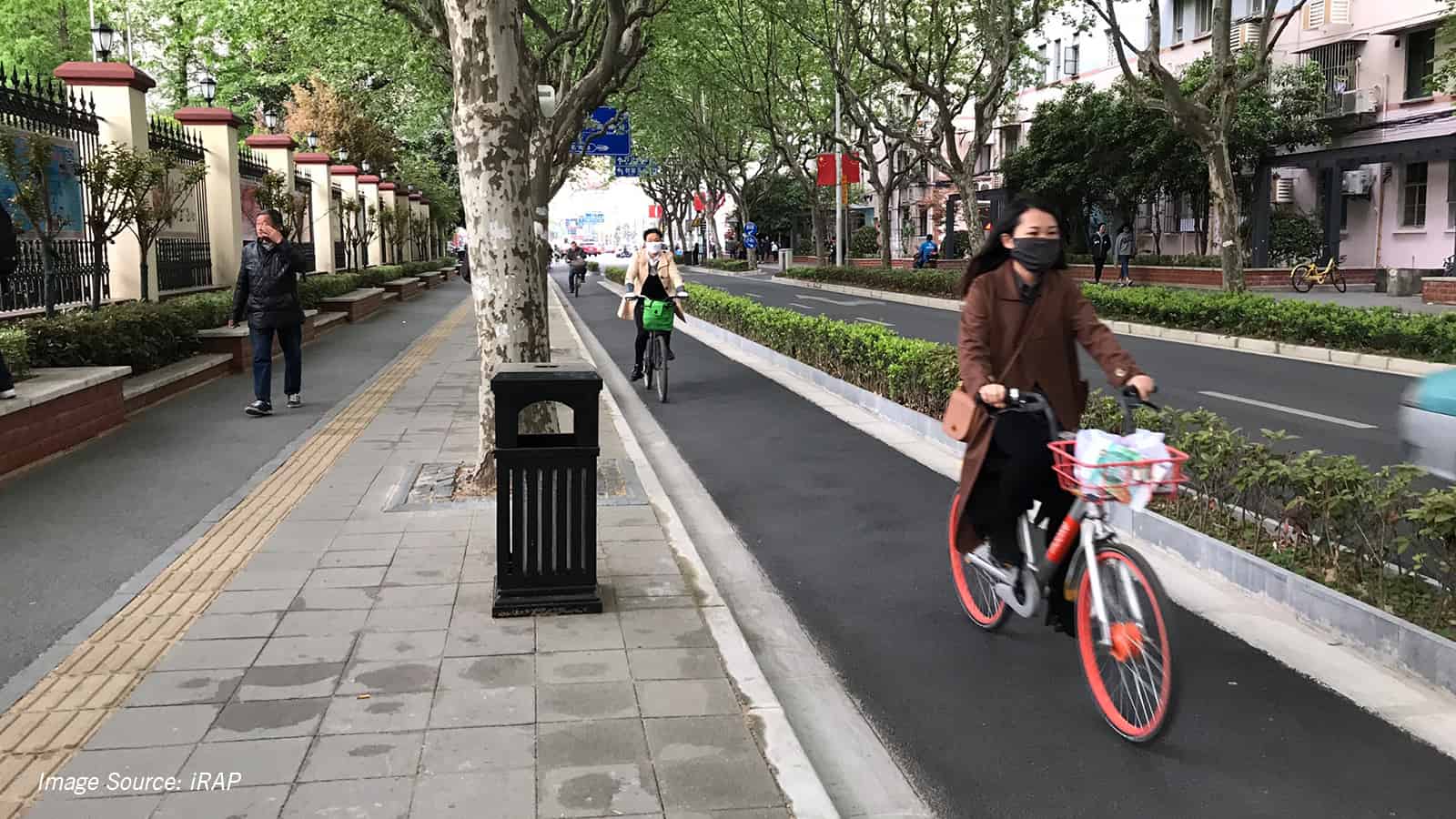
Climate change is fundamentally reshaping how roads are designed, built, and maintained across every continent. Rising temperatures, extreme precipitation events, permafrost thaw, and sea-level rise are creating unprecedented demands on infrastructure systems designed for historical climate conditions. In response, engineers and planners are deploying an expanding arsenal of technological innovations, material science breakthroughs, and adaptive policy frameworks to future-proof road networks against accelerating climate hazards.
The Escalating Infrastructure Crisis
The scope of climate-related road damage is both immediate and accelerating. In the United Kingdom alone, approximately 1.5 million potholes were repaired last year—one every 21 seconds—accounting for roughly 60% of all defects managed by local authorities. These defects stem directly from intensified freeze-thaw cycles, where water infiltrates cracks, freezes, expands, and ruptures the pavement, transforming minor damage into major structural failures.
Beyond pothole proliferation, extreme weather events are rendering entire road corridors impassable. The November 2025 Southeast Asia flooding crisis—triggered by record monsoon rainfall and rare tropical cyclone formation—killed over 1,700 people across Indonesia, Thailand, and Malaysia, with infrastructure damage rendering major routes like the Tarutung-Sibolga Road completely paralyzed under 3-meter-deep floods and landslide debris. Similarly, permafrost degradation in Arctic and high-altitude regions poses an existential threat: approximately 80% of buildings in some Russian cities and roughly 30% of road surfaces on the Qinghai-Tibet Plateau report structural damage from thawing ground, with active layer thickness (the seasonally thawed surface above permafrost) increasing at rates of 2.84 centimeters annually along critical transportation corridors.
The economic calculus is sobering. Ontario’s infrastructure analysis projects that without adaptive measures, climate hazards will increase annual road maintenance costs by $1.5 billion in the 2020s alone, scaling to $4.1 billion annually by mid-century under high-emission scenarios—a 32% increase relative to stable-climate conditions. Globally, road maintenance costs are projected to rise by $16.5 to $33.0 billion, with the United States facing increases of $0.5 to $1.0 billion annually. By 2100, high-tide flooding alone could generate approximately 3.4 billion vehicle-hours of delays annually, translating to $500 million yearly in maintenance costs depending on the country.
Technological Innovation: From Materials to Systems
In response to these pressures, a wave of material science and engineering innovation is transforming pavement performance and longevity. The most revolutionary development is self-healing asphalt, where researchers at Swansea University and King’s College London have engineered asphalt incorporating natural spore microcapsules—smaller than a human hair and filled with recycled oils—that rupture when cracks form and release rejuvenating agents to reverse damage autonomously. Laboratory experiments demonstrated that this biomass-based asphalt can completely heal microcracks in under one hour without human intervention. By combining this innovation with machine learning models that accelerate research 100 times faster than traditional computational approaches, researchers are positioning self-healing roads as a near-term solution to the chronic pothole problem that costs the UK £143.5 million annually.
Complementing self-healing technology, a parallel revolution in recycled and low-carbon asphalt is advancing circular economy principles. Recycled Asphalt Pavement (RAP) and Recycled Concrete Aggregate (RCA) now constitute 30-50% of pavement mixes in European and North American projects, with pioneering Swedish installations achieving 60-70% recycled content through integration of bio-binders derived from plant-based materials. These approaches reduce embodied carbon while maintaining structural integrity. More radically, plastic-modified asphalt—incorporating waste polymers into pavement—increases the softening point and improves resilience against heat damage while saving approximately three tons of CO₂ per kilometer compared to virgin material approaches. One recent trial on the A64 highway in Yorkshire achieved the United Kingdom’s lowest-carbon road resurfacing ever, incorporating 100% recycled aggregates and low-temperature asphalt production, reaching “near net-zero” status without relying on carbon offsets.
Cool and reflective pavements represent another material strategy, particularly critical in regions experiencing extreme heat. By increasing surface albedo (reflectivity) to 0.45-0.55 compared to conventional asphalt’s ~0.03, these pavements reduce surface temperatures by 11-22 Kelvin, mitigating heat-induced rutting and deformation while reducing the urban heat island effect. Warm Mix Asphalt (WMA)—produced at significantly lower temperatures than conventional hot mix—has already been deployed in over 4 million tonnes of UK roads since 2014, reducing production energy consumption and emissions.
For water management, permeable pavements have emerged as critical infrastructure in flood-prone regions. These porous systems reduce surface runoff by 70-90%, filter out 90% of suspended pollutants like oils and heavy metals, and support groundwater recharge. Unlike traditional gray infrastructure—gutters, pipes, and culverts that concentrate stormwater into overburdened systems—permeable pavements distribute water infiltration across the landscape, reducing downstream flooding risk during extreme precipitation events. This approach aligns with broader adoption of blue-green infrastructure strategies, where natural and semi-natural systems (wetland rehabilitation, reforestation, native vegetation) complement engineered solutions, providing co-benefits including habitat restoration and carbon sequestration.
Permafrost and Extreme Latitude Solutions
In Arctic and high-altitude regions where permafrost provides road foundations, climate adaptation requires specialized engineering that keeps ground frozen while accommodating increasing thaw exposure. Thermosyphons—passive pressurized heat transfer devices—have become the primary mitigation tool. These hairpin-shaped tubes contain refrigerants that evaporate in warming ground, rise through the device as gas, and condense in colder upper sections, creating a continuous heat extraction loop that cools permafrost through winter and sublimes frost from pavement surfaces.
An 11-year monitoring study at the Chena Hot Springs Road in Alaska demonstrated that thermosyphons reduced permafrost temperatures by up to 3°C, successfully preventing thaw settlement that had previously destroyed earlier road iterations. Complementing thermosyphons, air-convection embankments use specially designed coarse, grapefruit-sized rock stockpiles that allow convective airflow beneath roads, creating natural cooling through winter circulation and surface snow sublimation. Thompson Drive at the University of Alaska Fairbanks exemplifies this approach: built on marginal permafrost (−0.2°C, near critical thresholds), the road incorporates both thermosyphons and air-convection embankment designs that have proven robust against degradation, standing as a documented success now replicated on the Elliott and Taylor Highways.
However, engineering alone cannot indefinitely resist warming. Modeling studies of the Dalton Highway in Alaska—a critical route to Prudhoe Bay—indicate that even with protective infrastructure, road failure becomes probable by 2060-2075 as lateral talik formation (expansion of seasonally thawed zones) destabilizes embankment edges, and full failure occurs by 2100 under high-warming scenarios if ground contains excess ice. This sobering projection underscores that Arctic infrastructure faces structural limits; sustained warming will ultimately necessitate either massive infrastructure relocation or a fundamental reimagining of transportation networks in ice-rich permafrost zones.
Institutional and Policy Frameworks
The technological innovations described above are being deployed within rapidly evolving institutional frameworks. The United States launched the Promoting Resilient Operations for Transformative, Efficient, and Cost-saving Transportation (PROTECT) program in 2021—the first federal initiative specifically designed to build climate resilience into surface transportation through planning support, structural improvements, and coastal infrastructure protection. The 2024-2027 DOT Climate Adaptation Plan commits to embedding climate risk data into federal funding criteria, operational asset management, and long-term infrastructure planning, prioritizing investments that simultaneously advance resilience, adaptation, environmental justice, and emissions mitigation.
Canada is institutionalizing climate resilience through updated engineering standards. The 2025 Canadian Highway Bridge Design Code incorporates climate change design requirements informed by research from the National Research Council, while the updated Guide to Bridge Hydraulics (Third Edition, 2025) presents scientific methods for designing bridges resilient to future climate conditions. By 2026, climate resilience considerations will be incorporated into Canada’s National Building Code, Highway Bridge Design Code, and Electrical Code.
The United Kingdom announced £1 billion in dedicated funding for local highway enhancement projects to repair deteriorated infrastructure and future-proof road networks against extreme weather. National Highways is expanding climate adaptation within its Road Investment Strategy 3, with strengthened long-term adaptation pathways, while the Department for Transport is updating codes of practice on maintaining highway infrastructure in a changing climate.
Developing nations are adopting these frameworks through international partnerships. Zambia’s TRACER (Transformative Road Investment and Climate Efficiency) initiative—funded with $270 million and supported by the Global Climate Alliance—uses high-resolution climate data to identify flood-prone road segments and heat-vulnerable sections, then implements hybrid solutions including elevated roadbeds, reinforced drainage, gabions, and nature-based ecosystem buffers that extend infrastructure lifespan while providing co-benefits like habitat restoration. Timor-Leste’s C13 road rehabilitation incorporates 11 kilometers of reinforcement through soil nailing, retaining walls, and upgraded drainage designed for intensified rainfall scenarios. Such projects demonstrate that climate adaptation is becoming mainstreamed into development planning across income levels, though resource constraints and technical capacity gaps remain significant barriers in least-developed countries.
Integrated Design and Multi-Hazard Resilience
Modern road redesign increasingly integrates climate considerations across the complete infrastructure lifecycle—from planning and site selection through construction materials, drainage design, structural reinforcement, and predictive maintenance. The Asian Development Bank’s Guidelines for Climate Proofing Investment in Transportation provide a systematic methodology: projects are screened for climate exposure; future biophysical impacts are estimated under multiple emissions scenarios; vulnerabilities are identified by evaluating socioeconomic and biophysical drivers; and adaptation options are evaluated for feasibility, cost-effectiveness, and co-benefits.
This holistic approach recognizes that single-factor solutions are insufficient. Roads simultaneously face heat stress (accelerating asphalt fatigue), water stress (intense precipitation overwhelming drainage), and ground stress (permafrost thaw, slope instability, subsidence). A resilient road design thus requires integrated solutions: permeable or cool pavements for temperature and water management; elevated embankments and reinforced foundations for subsidence risk; redundant drainage systems combining traditional culverts with green infrastructure; and ecosystem buffers like reforestation to stabilize slopes and reduce landslide risk.
The iRAP (International Road Assessment Program) methodology exemplifies this integration. By combining road safety design principles with climate resilience and carbon optimization tools, iRAP enables designers to simultaneously reduce carbon footprints by up to 50%, extend infrastructure lifespan threefold, and halve crash costs through each incremental safety improvement. Australia’s AUD$9 billion Bruce Highway Safety and Climate Resilience Package illustrates implementation: the program not only raises highway segments above flood plains for climate protection but incorporates safety barriers, wider lanes, improved drainage, and surface rehabilitation that deliver a minimum 3-star safety rating.
Economic Case for Adaptation
While upfront climate adaptation costs are substantial, the case for proactive investment over reactive, post-disaster repair is economically decisive. Ontario’s analysis demonstrates that proactive climate adaptation will add $110 billion to $229 billion in costs through 2100 (depending on emissions scenario), while the cost of inaction—managing increasingly severe damage without preventive measures—would reach $171 billion to $322 billion over the same period. In Alaska, climate risk assessments identified $4.2 billion to $5.5 billion in potential infrastructure damage by century’s end, but proactive adaptation measures could reduce exposure by $1.3 billion to $2.6 billion.
The comparison reveals a fundamental economic principle: infrastructure designed for future climate conditions, though requiring higher initial capital investment, ultimately costs less than infrastructure repeatedly damaged and hastily repaired. This economic logic has convinced policymakers that climate adaptation is not a luxury but a foundational investment priority.
Remaining Challenges and Future Horizons
Despite rapid innovation, significant barriers to global deployment persist. Many regions still rely on outdated design standards based on historical climate data that no longer accurately represent current or future conditions. The capacity gap—particularly in developing countries—stems from limited technical expertise, institutional silos that separate climate planning from infrastructure design, and funding constraints that pit climate adaptation against competing development priorities.
The November 2025 Southeast Asia floods exemplified these institutional failures. Despite advances in meteorological forecasting, the region lacked robust early-warning systems, landslide vulnerability maps, local evacuation protocols, and adequate community-level preparedness. Experts emphasized that “without climate-informed planning, restored natural buffers and stronger local preparedness, even moderate storms will trigger catastrophic outcomes.”
Insurance markets, meanwhile, are rapidly pricing climate risk into transportation costs. Auto insurance premiums in the United States are spiking an average of 22%, with increases up to 50% in high-risk states like California, Missouri, and Minnesota, driven by extreme weather damage to vehicles and infrastructure. This market signal—rising insurance costs—will increasingly force road users and operators to internalize climate risk, accelerating demand for resilient infrastructure.
Climate change has rendered the mid-twentieth-century approach to road design—based on historical temperature and precipitation patterns—fundamentally obsolete. In its place, a new paradigm is emerging: roads designed as multifunctional, adaptive systems that integrate advanced materials (self-healing, recycled, and cool pavements), green infrastructure (permeable surfaces and nature-based solutions), specialized geotechnical engineering (thermosyphons and air-convection embankments), digital monitoring (embedded sensors predicting maintenance needs), and institutional frameworks (climate-resilient standards and adaptation planning) that explicitly account for future climate conditions.
These innovations are not theoretical; they are being deployed globally in pilot projects that demonstrate viability and co-benefits. Yet the pace of implementation remains insufficient relative to the acceleration of climate hazards. The world’s road networks are critical lifelines connecting people to healthcare, education, employment, and economic opportunity. Ensuring their resilience in a changing climate is not an optional engineering refinement but a fundamental prerequisite for sustainable development and social cohesion in the decades ahead.