
Road trips have always represented freedom — the open highway, spontaneous detours, scenic overlooks, and unforgettable roadside discoveries. But in 2026, planning the perfect road adventure is no longer about folding paper maps or scribbling directions on sticky notes. Today’s travelers have access to powerful digital tools that help map routes, discover attractions, save money, organize logistics, and stay on track throughout the journey.
From dedicated road-trip planners to AI-powered route optimization, offline navigation tools, hiking apps, and entertainment platforms, here are the best apps for road trip planning in 2026 — and how to use them together for a seamless adventure.
🚗 1. Roadtrippers – The Best Road-Trip-Dedicated Planner
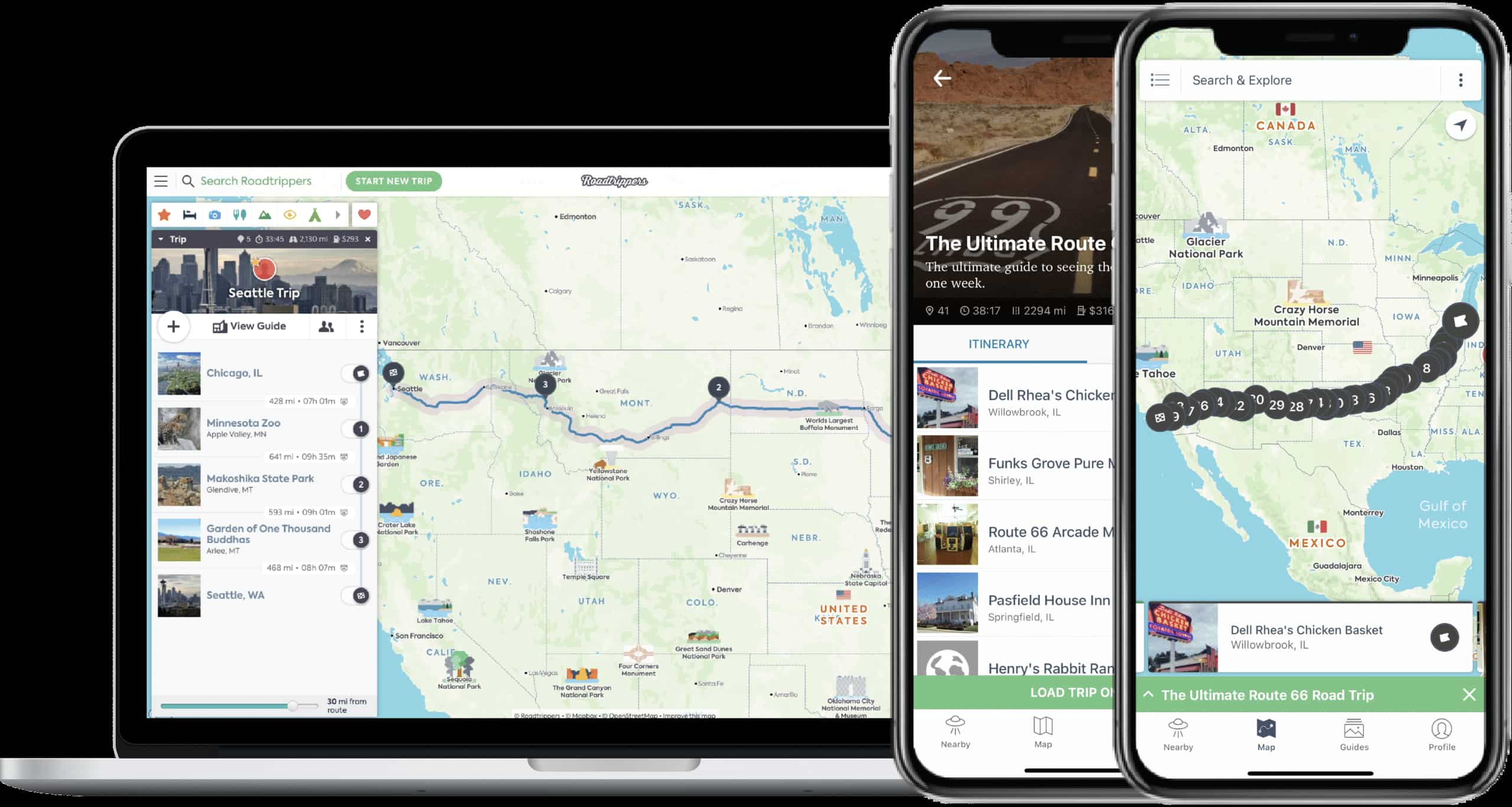
If there’s one app built specifically for road-tripping culture, it’s Roadtrippers. Unlike traditional navigation apps that focus solely on getting you from Point A to Point B, Roadtrippers is designed around the journey itself.
Why It Stands Out
Roadtrippers specializes in scenic drives and curated discovery. It encourages exploration by surfacing roadside attractions, quirky landmarks, diners, national parks, and scenic viewpoints you might otherwise miss.
Key Features
- Multi-stop route planning with drag-and-drop waypoints
- Discovery of roadside attractions, parks, and hidden gems
- Fuel cost estimation tools
- Rest stop and accommodation suggestions
- Custom itineraries that can be shared with travel companions
- Offline maps (premium version)
Best For
Travelers planning longer or themed trips — like historic highways, coastal routes, or national park loops — who want to build a detailed itinerary and explore interesting places between major destinations.
🧠 2. TriPandoo – The AI-Powered Road Trip Planner
One of the fastest-growing planning tools in 2026, TriPandoo brings artificial intelligence into the road-trip experience. Instead of manually plotting stops and calculating drive times, users can rely on AI to optimize everything.
Why It’s Different
TriPandoo generates daily plans automatically. It balances driving time, sightseeing opportunities, and budget considerations — making it especially helpful for complex, multi-city road trips.
Key Features
- AI-generated optimized daily routes
- Personalized attraction recommendations based on interests
- Smart routing to minimize drive time
- Budget tracking (fuel, lodging, expenses)
- Real-time itinerary adjustments during travel
Best For
Travelers who want assistance managing logistics and avoiding manual planning. Ideal for long, multi-destination road trips where efficiency matters.
🗺️ 3. Google Maps – The All-Around Navigation Essential
Even in 2026, Google Maps remains a cornerstone of road travel. It combines navigation, exploration, reviews, and real-time updates in one reliable platform.
Why It’s Indispensable
Its ecosystem integration with Google Search, business listings, and user reviews makes it incredibly powerful for spontaneous decisions on the road.
Key Features
- Turn-by-turn GPS navigation
- Alternative routes and rerouting
- Live traffic conditions
- Gas stations, restaurants, rest stops, and attractions
- Offline map downloads for remote areas
Best For
Everyone. Whether you’re a first-time road tripper or a seasoned highway explorer, Google Maps offers trustworthy navigation and discovery tools that are difficult to replace.
🚦 4. Waze – The Real-Time Traffic Expert
When avoiding traffic delays is a priority, Waze is hard to beat. It relies on crowd-sourced updates from drivers to provide live alerts about road conditions.
Why Drivers Love It
Waze excels in real-time traffic optimization. It warns you about accidents, road hazards, police presence, speed cameras, and construction zones — often faster than traditional navigation systems.
Key Features
- Community-reported traffic incidents
- Automatic rerouting to avoid congestion
- Voice navigation and hands-free options
- Speed camera and closure alerts
Best For
Urban road trips, busy highways, or peak travel times when traffic conditions can change quickly.
📌 5. Offline Map Apps – Organic Maps & OsmAnd
Connectivity isn’t guaranteed everywhere — especially in remote areas, mountainous regions, or international destinations where roaming charges are high.
🌍 Organic Maps
Organic Maps is a privacy-focused offline app powered by OpenStreetMap data. It works completely without internet access and doesn’t track your location.
🗺️ OsmAnd
OsmAnd offers detailed offline routing with voice guidance and points of interest. It’s particularly strong for remote navigation and international travel.
Best For
Remote road trips, national park visits, rural highways, and cross-border adventures where reliable data access can’t be assumed.
🥾 6. AllTrails – The Outdoor Companion
Many road trips are about more than driving — they’re about exploring nature. If your journey includes hikes, waterfalls, scenic overlooks, or mountain trails, AllTrails is a must-have companion.
Key Features
- Extensive trail maps with user reviews
- Difficulty ratings and terrain details
- GPS tracking and elevation profiles
- Offline trail maps (subscription required)
Best For
Outdoor enthusiasts who want to incorporate hiking and scenic stops into their road-trip itinerary.
📂 7. TripIt – The Logistics Organizer
Planning a road trip often means juggling hotel bookings, rental car confirmations, ferry schedules, and event tickets. TripIt keeps everything organized in one place.
Why It’s Useful
Forward confirmation emails to TripIt, and it automatically builds a master itinerary that integrates with your calendar.
Key Features
- Automatic itinerary creation from emails
- Calendar integration
- Real-time alerts for changes or delays
Best For
Longer road trips with multiple reservations and moving parts that require careful organization.
🎶 8. Entertainment Essentials – Spotify & Apple Music
No road trip is complete without a soundtrack. Whether you’re driving through deserts at sunset or cruising coastal highways at dawn, curated playlists and podcasts enhance the experience.
Both Spotify and Apple Music allow offline downloads — essential for stretches with poor connectivity.
Best For
Creating themed playlists for different legs of your trip — sunrise drives, mountain passes, or night cruising under the stars.
📊 Bonus Picks & Alternatives
A few additional tools worth considering in 2026:
- Wanderlog – Excellent for collaborative trip planning and shared itineraries
- Yelp – Discover highly rated local restaurants and attractions
- MapQuest – Helpful for optimizing multi-stop route ordering
🧠 Pro Tips for Using These Apps Together
There’s no single perfect app for every road trip. The smartest approach is combining tools:
- Use Google Maps or Waze for daily navigation.
- Plan routes with Roadtrippers or TriPandoo.
- Add scenic hikes using AllTrails.
- Organize bookings in TripIt.
- Download offline maps in advance with Organic Maps or OsmAnd.
- Prepare entertainment playlists before departure.
Additional Tips
✅ Download offline maps before entering remote regions.
✅ Share itineraries with your group using collaborative apps.
✅ Track fuel and lodging expenses to stay within budget.
✅ Keep backup navigation options ready in case of signal loss.
Final Take
In 2026, road-trip planning has evolved into a powerful blend of navigation, AI optimization, discovery tools, and logistical organization. The best experiences happen when technology supports — rather than distracts from — the adventure.
Whether you’re embarking on a cross-country expedition or a spontaneous weekend escape, these apps allow you to spend less time worrying about directions, budgets, and bookings — and more time enjoying the open road.
The future of road travel isn’t just about where you’re going. It’s about how seamlessly you can explore everything along the way.