
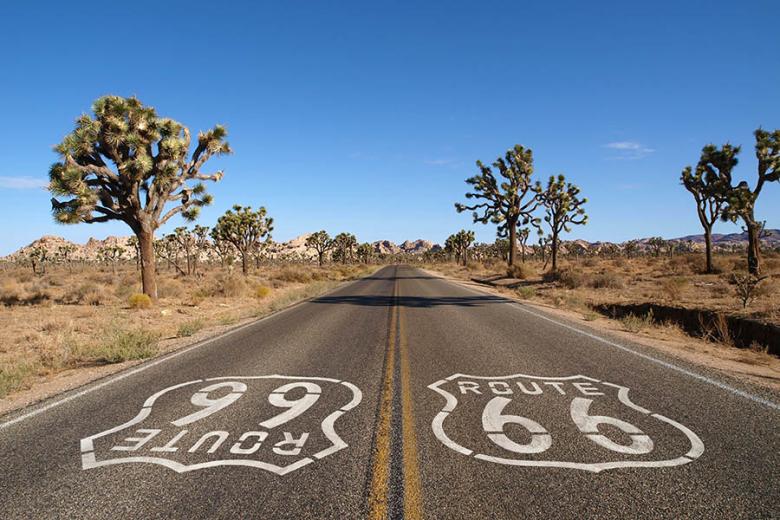
Budget road trips represent one of travel’s most accessible formats for financially constrained explorers, offering complete control over destinations, timing, and spending while eliminating the premium costs associated with flights, hotels, and guided tours. Strategic planning can reduce road trip costs to $1,000-$1,500 for week-long journeys or as low as $12,000-$20,000 annually for extended world travel by combining fuel optimization, accommodation strategies, affordable dining, and activity selection. The fundamental economics of road travel favor budget adventurers: vehicle ownership or rental provides flexibility that fixed-route public transportation cannot match; self-catering substantially reduces food costs compared to restaurant dining; camping or budget accommodation eliminates per-night hotel expenses; and unscheduled detours cost nothing.
The difference between budget and luxury road trips isn’t fundamentally about the experiences available but rather optimization strategies applied across multiple cost categories. A budget traveler eating street food, staying in hostels, and using free attractions can experience the same destinations and cultures as luxury travelers spending 3-5x more money. The budget advantage increases as trip duration extends—a two-week road trip shows modest savings opportunity, but three-month overland journeys demonstrate budget travel’s profound efficiency advantages, enabling months of exploration for what luxury travelers might spend on weeks.
The Budget Road Trip Economics: Understanding Cost Categories
Effective budget road trip planning requires understanding how costs structure across major categories and where optimization opportunities exist.
Fuel: The Largest Variable Expense
Fuel typically represents 25-40% of road trip costs for self-driving journeys, making it the primary optimization target. A typical 2,000-mile road trip consuming 15 gallons per 100 miles would require approximately 300 gallons of fuel—at 2026 prices ($3.00-$3.50 per gallon), totaling $900-$1,050 for fuel alone.
Fuel Efficiency Optimization Strategies
Pre-Trip Vehicle Maintenance dramatically improves efficiency. Under-inflated tires reduce fuel economy by 3-5%; proper inflation to manufacturer specifications improves mileage measurably. Engine tune-ups, clean air filters, and proper fluid levels ensure the engine operates at peak efficiency. A well-maintained engine achieves 15-20% better fuel consumption than one neglected.
Driving Technique Improvements can reduce fuel consumption by 10-20%. Smooth acceleration and gradual braking eliminate the fuel waste associated with aggressive driving. Maintaining steady speeds using cruise control on highways improves efficiency substantially—driving at 55 mph consumes measurably less fuel than 75 mph driving the same distance. Excessive idling wastes fuel without forward progress; turning off engines during brief stops reduces consumption.
Route Planning Optimization addresses the counterintuitive efficiency principle that longer routes with consistent traffic flow consume less fuel than shorter routes with congestion. A 150-mile route taking three hours in light traffic consumes less fuel than a 120-mile route taking three hours in stop-and-go traffic because consistent motion is dramatically more fuel-efficient than idling and reacceleration. Using navigation apps (Google Maps, Waze) to identify routes avoiding peak traffic hours reduces time and fuel simultaneously.
Fuel Price Shopping using GasBuddy or similar apps identifies lowest-price stations along routes, potentially saving $20-50 per trip through strategic refueling decisions. Warehouse membership fuel programs (Costco, Sam’s Club) offer per-gallon savings substantial enough to justify modest detours. Avoiding premium fuel unless the vehicle requires it saves 20-30 cents per gallon, meaningfully reducing costs on long journeys.
Vehicle Selection for road trips influences fuel costs dramatically. Compact cars achieve 30-35 MPG while SUVs achieve 20-25 MPG; a 2,000-mile trip would consume approximately 60 gallons in a compact car versus 85-100 gallons in an SUV—a difference of $75-$150. For budget-conscious travelers, vehicle selection should prioritize fuel efficiency over comfort.
Accommodation: Strategic Cost Reduction Through Flexibility
Accommodation costs range from $0 (camping) to $150+ (hotels), making this category subject to dramatic variation based on strategy.
Camping and Budget Lodging
Camping costs $15-30 per night compared to $80-150 for budget hotels, providing accommodation cost reduction of 75-80%. Even for travelers uncomfortable with tent camping, budget hostels ($30-50 per night) and Airbnb shared rooms ($40-70 per night) substantially reduce costs compared to traditional hotels. Budget strategies combining camping for 50% of nights with budget accommodation for remaining 50% reduce average accommodation costs to $35-50 per night, roughly one-third of luxury hotel costs.
Work-Exchange and Volunteer Programs
Work-exchange programs (platforms like Helpx, Workaway, WWOOF) enable travelers to exchange manual labor for free accommodation and meals. A week of farm work or hostel volunteering generates free lodging reducing accommodation costs to zero for that period. While this approach requires flexibility and physical capability, it can reduce accommodation costs 50%+ over extended journeys.
Accommodation Booking Strategies
Direct booking with accommodations rather than using intermediaries (Booking.com, Airbnb) often yields 10-15% savings because property owners avoid commission payments. Calling hostels or small hotels directly sometimes yields better rates than online booking. Off-season or shoulder-season travel (January-February, September-October for many destinations) reduces accommodation costs 30-50% compared to peak season pricing.
Food: The Highest-Discretion Budget Category
Food costs vary more dramatically than any other category based on choices: eating street food and cooking costs $10-20 daily while restaurant dining costs $50-100+ daily.
Self-Catering Strategy: The Budget Foundation
Preparing 50% of meals from grocery stores or farmers markets reduces food costs 60-70% compared to all-restaurant dining. A simple breakfast (oatmeal, fruit, yogurt) costs $2-3 from groceries versus $8-12 from restaurants. Lunch sandwiches and dinners prepared from supermarket ingredients cost $3-5 per meal compared to $12-20 from restaurants. The cumulative effect over a three-week journey: self-catering reduces food costs from approximately $1,050 ($50/day × 21 days) to $350-420, saving $600+.
Strategic Restaurant Selection
When dining out, eating where local workers eat—near universities, in residential neighborhoods away from tourist districts, at street food vendors—reduces costs 50-70% compared to tourist-area restaurants. A local taco stand ($2-3 tacos) provides superior value to a “Mexican” restaurant in a tourist zone ($15-20 entrees). Asking locals where they eat, reading local reviews on Yelp and Google Maps, and observing where crowds of non-tourists congregate identifies authentically affordable restaurants.
Breakfast Strategy: Many accommodations include free breakfast; consuming a substantial breakfast (protein, fruits, vegetables) provides satiety lasting until afternoon, enabling lighter lunch and dinner meals. A hearty free breakfast can effectively reduce daily food spending by 20-30%.
Lunch as Primary Meal: Making lunch the main meal (when traveling, meals are cheapest at lunch through lunch specials) and consuming lighter dinners reduces daily food costs. Many restaurants offer 30-50% discounts on lunch entrees compared to dinner pricing.
Activities and Attractions: Low-Cost Exploration
Activity costs vary dramatically: free walking tours ($0), museums ($5-15), paid attractions ($20-50). Budget-conscious travelers can minimize activity costs through strategic selection.
Free Attractions and Activities: Every destination offers free or low-cost exploration: hiking, public parks, waterfront areas, street art, free museum days, walking neighborhoods, and community events cost nothing. Dedicating 50% of travel time to free exploration and 50% to paid attractions reduces activity costs 50-75%.
Discount Platforms: Groupon and similar deal sites offer 30-50% discounts on higher-end activities, enabling budget travelers to experience premium attractions at accessible prices. Discount cards offered by tourism agencies provide bundle pricing on multiple attractions.
Free Breakfast and Happy Hour: Museums and attractions increasingly offer free or donation-based entry during specific hours (often early morning or specific weekdays). Happy hours at restaurants offer 30-50% discounts on appetizers.
Budget Road Trip Planning: Strategic Decision Framework
Destination Selection Based on Cost of Living
Budget travelers should weight destination selection toward lower cost-of-living regions. Southeast Asia (Thailand, Vietnam, Cambodia) enables comfortable travel at $25-30 daily; Central America (Guatemala, Nicaragua, Honduras) at $20-25 daily; Eastern Europe at $25-35 daily; versus Western Europe or developed nations requiring $50-75+ daily. Choosing primarily lower-cost destinations dramatically extends travel duration for fixed budgets: $5,000 enables approximately 200 days in Southeast Asia versus 50-70 days in Western Europe.
Trip Duration and Pacing
Budget advantages increase dramatically as trip duration extends. Week-long road trips show modest savings compared to luxury alternatives; month-long journeys demonstrate substantial savings; three-month journeys highlight budget travel’s profound efficiency advantages. Extended stays in single locations reduce accommodation switching costs and daily repetitive purchase costs, improving long-term economics. Budget travelers can spend $1,000-1,500 monthly in cheap destinations versus $3,000-5,000 in expensive destinations for identical experiences.
Seasonal Timing
Off-season and shoulder-season travel reduces accommodation costs 30-50%, food costs 15-25%, and activity pricing 20-40%. Traveling January-February or September-October versus peak season (summer, December holidays) produces meaningful savings enabling longer or more frequent trips. The tradeoff involves less predictable weather and fewer tourist amenities; the budget advantage justifies this for financially constrained explorers.
Sample Budget Road Trips and Cost Estimates
Budget-Focused 2,000-Mile North American Road Trip (14 days)
Fuel costs: $900-1,050 (300 gallons at $3.25/gallon)
Accommodation: $490 (7 nights camping at $30, 7 nights budget hotels at $50)
Food: $350-400 (self-catering 50% of meals, budget restaurants 50%)
Activities: $150-200 (museums, national parks, some free activities)
Tolls and parking: $100-150
Contingency buffer (15%): $250
Total: $2,240-2,340
This represents approximately $160 per day, achievable with disciplined planning and modest comfort sacrifice.
Moderate Comfort Road Trip (2,000 miles, 14 days)
Fuel costs: $900-1,050
Accommodation: $840 (12 nights mid-range hotels at $70)
Food: $600-700 (restaurants 70%, self-catering 30%)
Activities: $250-350 (paid attractions, tours)
Tolls and parking: $150-200
Contingency buffer: $300
Total: $3,040-3,140
This represents approximately $220 per day, providing moderate comfort.
Extended International Road Trip (3 months, Southeast Asia)
Vehicle rental or purchase/sale: $800-1,500 (or own vehicle transport)
Fuel costs: $800-1,000
Accommodation: $2,250-2,700 (30 nights at $25/night budget average × 3 months)
Food: $1,800-2,250 (self-catering emphasis, cheap local food)
Activities: $450-600 (mix of free and budget attractions)
Border crossing and permits: $200-300
Contingency buffer: $1,500
Total: $7,800-9,350 for three months
This represents $85-105 per day for extended international travel, demonstrating budget advantages at scale.
Practical Budget Road Trip Strategies: Implementation Guide
Pre-Trip Planning Phase
Research thoroughly: Identify lowest-cost-of-living destinations matching interests, plan routes maximizing fuel efficiency, identify free attractions and budget accommodation options, research visa requirements and permits.
Vehicle preparation: Schedule mechanical tune-up, check tire pressure, ensure all fluids at proper levels, address any maintenance issues before departure.
Booking optimization: Reserve accommodation during off-season/shoulder season, use direct booking when possible, book in advance for modest savings, identify camping options to diversify accommodation.
During-Trip Optimization
Navigate efficiently: Use Waze or Google Maps to avoid traffic, time departures to avoid peak hours, prioritize steady-speed routes over shortest distance.
Refuel strategically: Use GasBuddy to find lowest prices, use warehouse club memberships, avoid premium fuel unless required, consider fuel stops near known cheap stations.
Eat strategically: Consume free breakfast when available, prepare 50% of meals from groceries, eat lunch as main meal at restaurant lunch specials, identify where locals eat for authentic cheap dining.
Optimize activities: Prioritize free attractions, use Groupon for discounts on paid activities, visit museums on free-entry days, explore neighborhoods without paid activities.
Conclusion: Accessibility Through Strategy
Budget road trips demonstrate that affordable exploration is entirely achievable for financially constrained travelers willing to implement strategic optimization across accommodation, food, fuel, and activity selections. The difference between a $3,000 road trip and a $5,000+ trip isn’t the experiences available but rather the execution strategy applied to cost categories.
The power of budget road travel emerges at extended timescales: three-month journeys in cheap destinations become financially accessible to people earning modest incomes, while equivalent experiences through flights, hotels, and tours remain inaccessible. A person unable to afford a $3,000 luxury vacation can afford a $1,500 road trip enabling three times the duration and frequently superior experiences through self-directed exploration versus packaged tourism.
The budget road trip movement reflects a fundamental insight: travel experiences depend far more on explorer intentionality than spending levels. The most memorable meals often come from street food or market shopping; the most meaningful cultural connections happen through conversations with locals in cheap guesthouses rather than insulated hotel experiences; the most profound natural beauty emerges from self-directed exploration rather than guided tours.
For those asking “can I afford to travel?” the answer for road travel is frequently “yes, if you’re willing to optimize spending.” That optimization, while requiring discipline and flexibility, doesn’t diminish travel quality—it often enhances it by enabling deeper engagement with destinations, longer immersion in places, and experiences unconstrained by luxury tourism infrastructure.