
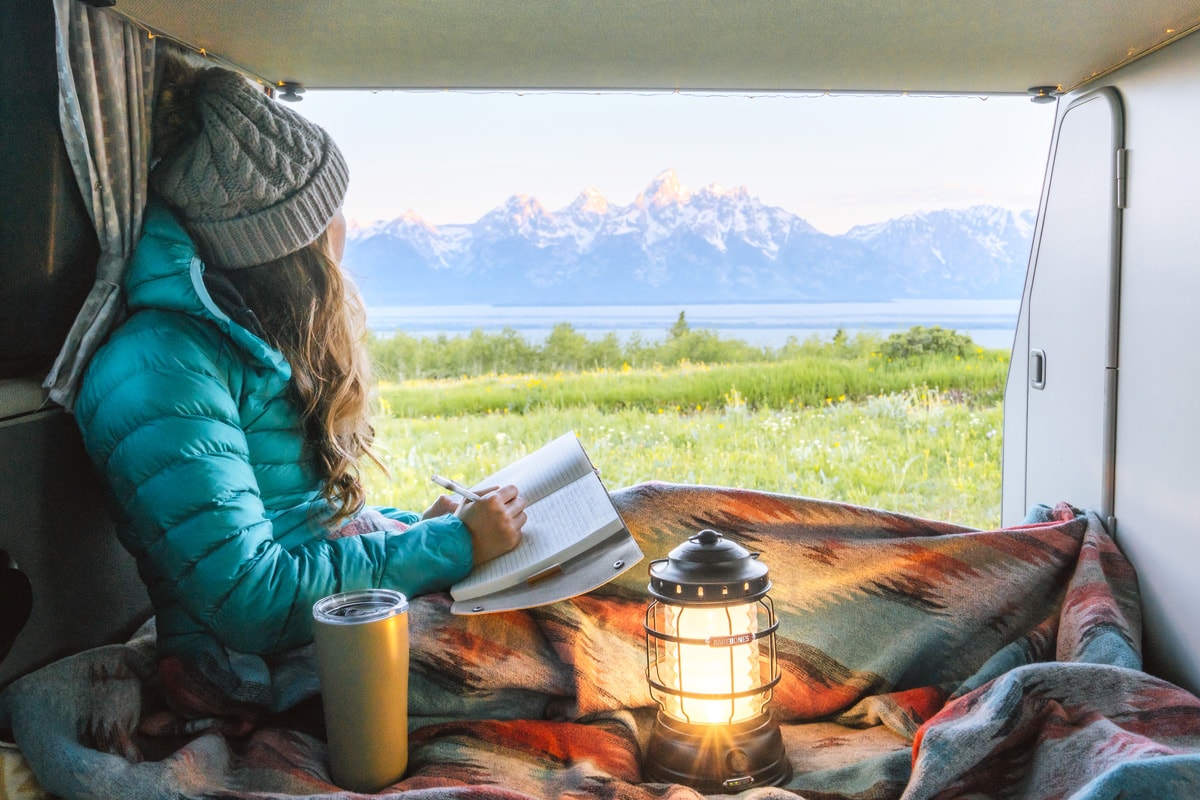
Planning a road trip is one of the most exciting and liberating ways to travel. The open road offers flexibility, adventure, and the chance to discover hidden gems that flights and rigid itineraries often miss. But while road trips can be more affordable than other types of travel, costs can quickly spiral out of control without proper planning. From fuel and accommodation to food and activities, expenses add up fast.
The good news? With the right strategy, you can plan an unforgettable road trip without draining your savings. Here’s a comprehensive guide on how to plan a road trip on a budget.
1. Set a Realistic Budget Before You Go
The first step in planning a budget road trip is knowing exactly how much you can afford to spend. Start by determining your total trip budget. Then break it down into major categories:
- Fuel
- Accommodation
- Food
- Activities and attractions
- Emergency fund
- Miscellaneous expenses (parking, tolls, souvenirs)
Having clear spending limits for each category prevents impulse decisions that can derail your finances. It also helps you prioritize what matters most—whether that’s unique experiences, comfortable lodging, or extended travel days.
A good rule of thumb is to set aside at least 10–15% of your total budget as a contingency fund for unexpected expenses such as vehicle repairs or medical needs.
2. Choose Your Destination Strategically
Not all road trips cost the same. The farther you travel, the more you’ll spend on fuel and time. Consider destinations that offer:
- Free or low-cost attractions (national parks, beaches, scenic routes)
- Affordable lodging options
- Reasonable fuel prices
- Minimal toll roads
Planning a loop route instead of backtracking can save both fuel and time. Additionally, traveling during the shoulder season (spring or fall) often reduces accommodation and activity costs while still offering pleasant weather.
3. Plan Your Route Efficiently
An efficient route saves fuel, time, and money. Use navigation tools to map out:
- Major highways vs. scenic routes
- Toll roads to avoid if possible
- Fuel stops in areas with lower gas prices
Try to cluster attractions geographically to minimize unnecessary driving. Instead of zigzagging across regions, move steadily in one direction.
Downloading offline maps can also help avoid excessive data charges if you’re traveling in areas with limited signal.
4. Save Money on Fuel
Fuel is often the biggest expense on a road trip. Here are practical ways to reduce costs:
- Drive at steady speeds (55–65 mph is often most fuel-efficient)
- Avoid aggressive acceleration and braking
- Remove unnecessary weight from the vehicle
- Keep tires properly inflated
- Use fuel price comparison apps
If you’re renting a car, choose a fuel-efficient model. Smaller vehicles or hybrid cars can dramatically lower gas expenses over long distances.
5. Cut Accommodation Costs
Accommodation can make or break your budget. Fortunately, road trips offer flexibility. Consider these cost-saving options:
Camping
Camping is one of the most affordable lodging options. National and state parks often charge minimal fees. If you already own camping gear, the savings add up quickly.
Budget Hotels and Motels
Look for last-minute deals or book in advance for discounts. Comparing rates across multiple booking platforms can help you find the best price.
Car Sleeping
For short trips or in safe areas, sleeping in your vehicle can eliminate accommodation costs altogether. Make sure local laws allow overnight parking.
Stay with Friends or Family
If your route passes through areas where you know people, ask if you can stay a night or two.
House Sitting
Some platforms allow travelers to stay for free in exchange for watching pets or maintaining homes.
Mixing accommodation types—camping some nights, budget hotels on others—helps balance comfort and savings.
6. Eat Smart on the Road
Dining out for every meal quickly drains your travel fund. Instead:
- Pack a cooler with drinks, fruits, and snacks
- Bring reusable water bottles
- Stop at grocery stores instead of convenience stores
- Prepare simple meals (sandwiches, salads, pasta)
- Choose accommodations with kitchen access when possible
Picnics at scenic viewpoints are not only budget-friendly but often more memorable than fast-food stops. If you want to enjoy local cuisine, limit restaurant visits to once per day or a few times during the trip.
7. Find Free and Low-Cost Activities
You don’t need expensive tours to have an incredible experience. Many of the best road trip attractions are free or inexpensive:
- National parks and scenic drives
- Hiking trails
- Beaches and lakes
- Historic districts
- Street art tours
- Local festivals and markets
Research destinations in advance and prioritize free attractions. Many cities also offer free walking tours (tips optional), which provide valuable local insights at minimal cost.
8. Travel with Friends to Split Costs
One of the easiest ways to reduce expenses is to travel with others. Sharing costs for:
- Fuel
- Accommodation
- Groceries
- Car rental
significantly lowers individual spending. Just make sure expectations and budgets are clearly discussed beforehand to avoid misunderstandings.
9. Prepare Your Vehicle in Advance
Unexpected car trouble can turn a budget road trip into an expensive nightmare. Before leaving:
- Check oil and fluids
- Inspect brakes
- Test battery
- Check tire pressure and tread
- Ensure spare tire is functional
Preventive maintenance is far cheaper than emergency roadside repairs. If your vehicle isn’t reliable for long distances, compare rental options—it may actually save money in the long run.
10. Pack Strategically
Overpacking increases fuel consumption and clutter. Pack only essentials:
- Weather-appropriate clothing
- First-aid kit
- Basic tools
- Phone charger and power bank
- Flashlight
- Reusable utensils
Being prepared avoids unnecessary purchases on the road.
11. Use Rewards and Discounts
Take advantage of:
- Credit card travel rewards
- Cashback offers
- Gas station loyalty programs
- Student, military, or senior discounts
- Annual park passes if visiting multiple parks
Small discounts add up over a long trip.
12. Avoid Tourist Traps
Popular tourist areas often come with inflated prices for food, souvenirs, and parking. Instead:
- Eat where locals eat
- Visit attractions early to avoid peak pricing
- Research reviews before booking tours
- Skip overpriced souvenirs
Authentic experiences are often found away from the main tourist centers—and they usually cost less.
13. Be Flexible
Flexibility is a road trip’s greatest advantage. If a destination is too expensive or crowded, adjust your route. If you find a hidden gem, stay longer. Being adaptable allows you to optimize both experience and spending.
14. Track Your Spending
Keep track of daily expenses using a budgeting app or simple spreadsheet. Monitoring your spending in real time prevents unpleasant surprises and helps you adjust if needed.
15. Prioritize Experiences Over Luxury
At its heart, a road trip is about adventure, discovery, and freedom. You don’t need luxury hotels or expensive attractions to create lasting memories. Sunsets, scenic highways, roadside diners, and spontaneous detours often become the highlights.
By focusing on meaningful experiences rather than high-cost indulgences, you’ll not only save money but also embrace the true spirit of road travel.
Planning a road trip on a budget doesn’t mean sacrificing fun or comfort. It means being intentional. With smart planning, efficient routing, affordable accommodation, mindful spending, and a spirit of adventure, you can explore incredible destinations without financial stress.
The open road is one of the most accessible forms of travel. With preparation and creativity, your budget road trip can become an unforgettable journey—proving that the best adventures don’t have to come with a high price tag.
All it takes is a map, a plan, and the willingness to go.