Solo travel can be one of the most rewarding ways to see the world because it gives you complete freedom over your route, pace, and daily choices. The key to enjoying it fully is not to travel fearfully, but to prepare well enough that you can stay flexible, confident, and open to adventure.
Traveling alone also sharpens your awareness and decision-making in ways group travel often does not. When you manage your own transportation, safety, schedule, and energy, you become more self-reliant, which is exactly why solo travel can feel so empowering for adventurous people.
Plan Before You Go
The best solo trips begin long before you leave home. Researching local culture, safe neighborhoods, transport options, and local laws helps you make better decisions on the ground and lowers the risk of avoidable problems once you arrive.
It is also wise to book at least your first nights of accommodation in advance and know exactly how you will get there from the airport, bus station, or train terminal. Arriving alone in a new place is much easier when the first step is already handled, especially after a long flight or late-night arrival.
Travel insurance matters even more when you are solo because there may be no companion to help absorb the cost or logistics of a medical issue, cancellation, or lost luggage. Keeping digital and physical copies of your passport, insurance details, and reservations also gives you a backup if your phone dies, gets stolen, or loses signal.
Another smart move is to share your itinerary with someone you trust. Many experienced solo travelers also register for travel alerts or embassy updates when visiting unfamiliar destinations, which can help them stay aware of safety developments or disruptions.
Put Safety First
One of the most important solo travel rules is simple: do not sacrifice safety just to save money or avoid inconvenience. A free walk through an unfamiliar area late at night may look efficient on paper, but taking a reputable taxi or rideshare is often the smarter decision when you are alone.
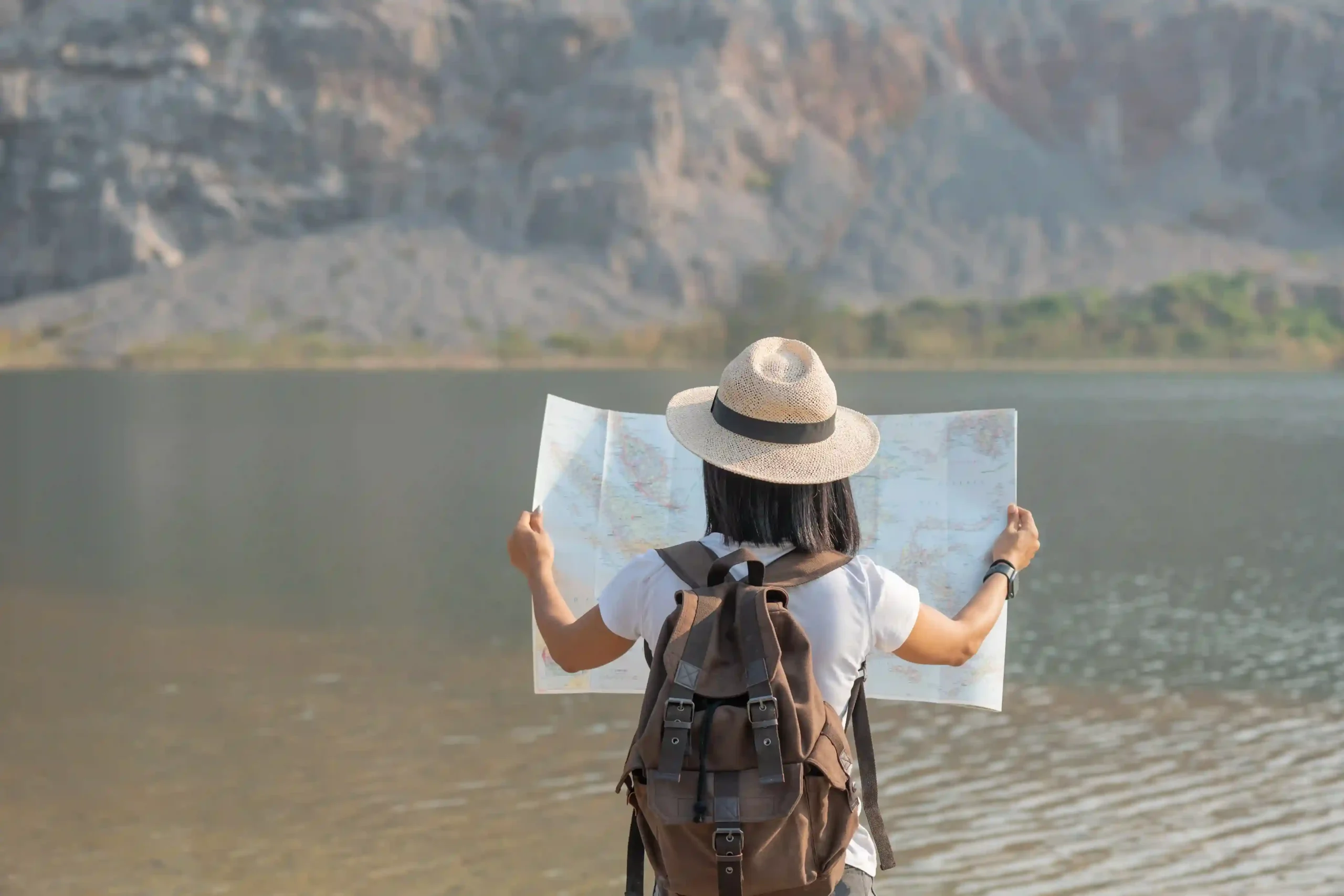
Situational awareness is one of your best tools. Keeping your head up, staying alert, and avoiding the habit of staring at maps or messages while walking can make you less vulnerable and help you notice trouble early. Even something as basic as avoiding headphones in unfamiliar public spaces can improve your awareness of people, traffic, and changes in the environment around you.
Trusting your instincts is equally important. If a person, street, vehicle, or situation feels wrong, leave quickly and without worrying about seeming rude, because setting boundaries and exiting early is often what keeps small concerns from becoming real problems.
Public spaces are generally safer than isolated private situations, which is why many solo travel safety experts recommend staying visible and choosing busy, well-lit environments when possible. The goal is not to be paranoid; it is to make calm, protective choices part of your routine.
Arrive Smart
Your arrival day is often when you are most tired, distracted, and easy to overwhelm, so this is not the moment to improvise everything. Before landing, know how you will get to your accommodation, what a normal fare should be, and whether you should use public transport, a licensed taxi, or a reputable ride service.
If you arrive by bus or train and feel uneasy, choose seating near staff or near the front, especially on longer routes. On buses, sitting near the driver can provide an added sense of security and make it easier to ask for help or confirm your stop.
At your accommodation, take a few minutes to secure your room. Check that doors and windows lock properly, confirm that the peephole works correctly, and look around the room for anything unusual or out of place. Some solo travelers also carry a door stopper alarm or portable lock for added peace of mind, especially in private rentals or budget stays.
Pack for Independence
Packing light is one of the best solo travel habits because everything you bring will be carried, watched, and managed by you alone. A lighter bag gives you more mobility, makes transitions easier, and reduces stress when you are changing transport or walking through busy areas.
Your essentials should support safety as well as convenience. A charged phone, power bank, basic first-aid supplies, copies of important documents, water, and a few snacks can make a real difference during delays or long travel days. If you plan outdoor adventures, add weather-appropriate gear, sunscreen, insect repellent, and enough supplies to handle unexpected delays.
It also helps to avoid drawing unnecessary attention to yourself. Keeping flashy jewelry at home, dressing in a way that fits local norms, and not carrying a bulging wallet or loosely hanging valuables can reduce the chance of being targeted by opportunistic thieves. Small habits like wearing your bag in front in crowded places or never placing it on the ground also help protect your belongings.
Stay Connected
Solo travel feels freer when you know someone can still find you if needed. Send regular updates to a friend or family member, especially when changing cities, going on hikes, taking boats, or arriving late at night.
For outdoor activities, tell someone when you expect to return. This is similar to a float plan used in marine and wilderness settings, where another person knows your route and can raise the alarm if you do not check back in on time. It is a simple habit that can become critical if you lose signal, get injured, or take longer than expected.
You should also learn a few practical phrases in the local language, especially words for help, police, and directions. Even basic local language skills can help you leave uncomfortable situations more confidently and ask for assistance faster if something goes wrong.
Move With Confidence
How you carry yourself matters when traveling alone. Walking with purpose, knowing your route before you step outside, and avoiding obvious confusion in the street can reduce the chance of attracting unwanted attention.
That does not mean pretending you know everything. It means pausing inside a shop, café, or hotel lobby if you need to check directions rather than standing exposed with your phone in hand on a busy corner. Choosing a seat with a view of exits or entrances in restaurants and public places can also improve your awareness without changing your experience much.
At night, be more selective. Avoid dark or sketchy areas, and do not assume short walking distances are automatically safe just because they look manageable on a map. Solo adventurers often enjoy the most freedom when they accept that caution at the right moments protects the rest of the trip.
Meet People Carefully
One of the great pleasures of solo travel is how easy it can be to meet others. You are often more approachable when alone, and conversations with locals or fellow travelers can lead to memorable meals, activities, and friendships.
Still, solo travelers should balance openness with judgment. Meet new people in public places first, avoid sharing too much personal information too quickly, and be cautious about revealing exactly where you are staying. If someone seems overly interested in your plans or makes you uncomfortable, you do not owe them continued conversation.
Alcohol also deserves careful thought. Some solo travel safety advice specifically recommends avoiding or limiting drinking alone because it can reduce awareness, blur judgment, and make it harder to react clearly if a situation changes. You do not need to avoid nightlife entirely, but it helps to stay in control of your choices and your environment.
Adventure Responsibly
Adventure is often the reason people try solo travel in the first place, but risk management matters more when nobody is there to back you up. Whether you are hiking, swimming, surfing, or taking a boat trip, ask locals or guides about conditions before heading out.
Weather awareness is especially important in outdoor settings. If clouds build, thunder gets closer, or ocean conditions look rough, turning back is not weakness; it is good judgment. On the water, wearing a life jacket and knowing local hazards such as rip currents can be life-saving, especially in unfamiliar destinations.
For hiking or remote exploration, be prepared to spend longer outdoors than planned. Bring water, food, sun protection, the right footwear, and enough gear to stay safe if you are delayed or forced to turn back late. Solo travel is adventurous when it expands your world, not when it pushes you into preventable emergencies.
Let Flexibility Work for You
One of the greatest advantages of solo travel is total control over your itinerary. You can leave early, change plans, stay longer, or skip something entirely without negotiating with anyone else, and that freedom often leads to a more natural, satisfying trip.
Use that independence wisely. If a neighborhood feels off, leave. If you are exhausted, rest. If a day trip looks too risky in bad weather, reschedule it. Solo travelers do best when they treat flexibility not as randomness, but as a tool for making better decisions in real time.
At the same time, avoid overpacking your schedule. Leaving room in the day for rest, unexpected discoveries, and slower transitions can help you stay sharp, which is especially important when you are making every decision alone.
Build Confidence Step by Step
You do not have to begin with the most remote or demanding destination to become a strong solo traveler. Many people build confidence by starting with easier locations, shorter trips, or places with good infrastructure, then moving into more adventurous experiences over time.
Confidence usually comes from repetition, not personality. The more often you navigate stations, check into hotels, solve small problems, and spend time alone in unfamiliar places, the more natural solo travel starts to feel.
That is why the best solo travel tip may be this: prepare carefully, stay aware, and then allow yourself to enjoy the independence you came for. Solo travel is not about proving fearlessness; it is about learning how to move through the world with curiosity, judgment, and growing self-trust.